


Dyna-Glo Grill Grates – Premium Cast Iron & Porcelain Cooking Surfaces
Our cast iron grill grates deliver the sear marks and heat retention serious grillers demand. Each grate is pre-seasoned at the factory, so you're ready to cook the moment you install them.
Designed to fit all standard Dyna-Glo gas and charcoal models, these grates distribute heat evenly across the entire cooking surface. The heavy-gauge iron construction holds temperature through wind and repeated lid lifts, giving you consistent results from the first burger to the last steak.
- Pre-seasoned cast iron for immediate use
- 17.5" × 11.75" per grate section
- Fits Dyna-Glo 4-burner and 5-burner gas grills
- Compatible with select charcoal models (see fit guide)
- Reversible design: flat side for delicate foods, ridged side for sear marks
Material & Construction
Dyna-Glo grill grates are engineered to handle direct flame and intense heat cycles without warping. The cast iron option uses 5mm-thick iron bars, while the porcelain-coated version features a 3mm steel core with a double-layer enamel finish.
Cast iron excels at retaining heat, which means your grill recovers temperature faster after you add cold food. Porcelain coating, by contrast, prevents acidic marinades and sauces from reacting with the metal, so you can grill citrus-marinated chicken or tangy barbecue ribs without worrying about off-flavors or surface damage.
Sizing & Fit Guide
Each Dyna-Glo grill grate measures 17.5 inches wide by 11.75 inches deep. Most 4-burner and 5-burner Dyna-Glo gas grills use two grates side by side, creating a total cooking surface of 35 inches wide.
Before ordering, measure the inside dimensions of your firebox from front rail to back rail and side to side. Our grates are designed with a 1/8-inch clearance on all edges to allow for thermal expansion during cooking. If your grill’s cooking area is smaller than 17.5″ × 11.75″, check the model-specific fit chart in your owner’s manual or contact our support team.
Care & Maintenance
To extend grate life, preheat your grill for 10–15 minutes before cooking. This burns off residue from the previous session and creates a natural non-stick surface on cast iron grates.
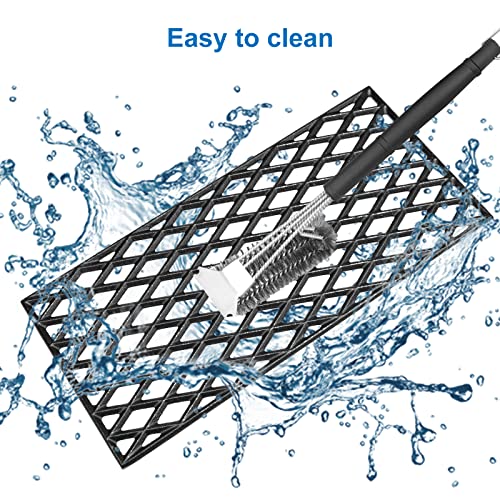
After cooking, brush the grates while they’re still warm using a brass-bristle grill brush. For cast iron, apply a thin layer of high-smoke-point oil (canola, grapeseed, or avocado) while the grate is warm, then wipe away excess with a paper towel. Porcelain-coated grates can go directly into the dishwasher, though hand-washing preserves the enamel finish longer.
Compatible Grate Sizes & Styles


What people are saying


Common Questions About Dyna-Glo Grill Grates
These grates are sized at 17.5" × 11.75" per section and fit all Dyna-Glo 4-burner and 5-burner gas grills, plus select charcoal models with flat grate shelves. Measure your existing grates or check your owner's manual to confirm compatibility.
If your grill uses a different grate dimension, contact our customer support team with your model number and we'll identify the correct replacement.
Replace grates when you notice warping, large rust patches that won't scrub off, or significant food sticking despite proper cleaning. With regular maintenance, cast iron Dyna-Glo grill grates can last 5–7 years, while porcelain-coated grates typically last 3–5 years depending on usage frequency.
If you grill more than twice a week year-round, inspect grates at the start of each grilling season and replace at the first sign of structural damage.
Yes, but use them gently. The porcelain enamel coating is durable enough to handle stainless steel spatulas and tongs during normal cooking. Avoid scraping aggressively or using sharp-edged tools that could chip the finish.
For longer grate life, switch to silicone-tipped or wooden utensils when flipping delicate foods like fish fillets.
No. Porcelain-coated steel grates come ready to use out of the box with no seasoning required. Simply wash with warm soapy water before first use to remove any manufacturing residue, then start grilling.
Cast iron grates arrive pre-seasoned, but you'll need to maintain that seasoning by applying a light coat of oil after each cook.
Each cast iron grate weighs 8.2 pounds, while the porcelain-coated steel version weighs 4.6 pounds. The extra weight of cast iron contributes to better heat retention and more pronounced sear marks, but it also makes removal and cleaning more physically demanding.
If you clean your grates frequently or have mobility concerns, the lighter porcelain option may be more practical for your setup.
Yes. Some grillers install cast iron grates on the left side for high-heat searing and porcelain grates on the right for gentler cooking. Both grate types have the same outer dimensions and will sit level on your grate shelf.
Just keep in mind that cast iron retains heat longer, so the two sides of your grill may cook at slightly different temperatures even with identical burner settings.
Scrub the rusted area with a nylon grill brush or steel wool until you reach clean metal. Rinse, dry completely, then coat the entire grate with a high-smoke-point oil like canola or grapeseed.
Heat your grill to 400°F with the grates installed for 30 minutes to bake on a new seasoning layer. Repeat this process two or three times if the rust was extensive, and the grates will return to their original non-stick performance.