
How Dyna-Glo’s Signature Series Smoker Temperature Control Works
Maintaining a steady 225°F for eight hours sounds simple until you’re standing next to a vertical smoker watching the gauge swing from 200 to 280. We designed the Signature Series to give you more control over that problem, but only if you understand how the airflow system actually works.
Vertical smoker temperature control comes down to three components working together: the charcoal basket arrangement, the intake damper at the bottom, and the exhaust vent at the top. This guide walks through how each piece affects your cook and what adjustments bring the needle back where you want it.
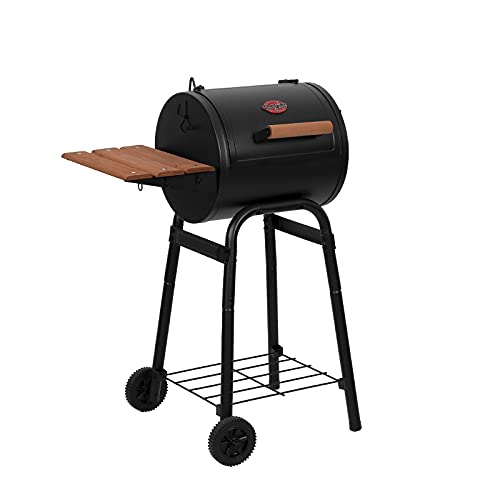
The Charcoal Basket and Heat Source Placement
The Signature Series uses a front-access charcoal door and a removable ash pan, which means you can add fuel or clear buildup without opening the main chamber. That design choice matters because every time you crack the main door, you lose 20-30 degrees that take fifteen minutes to recover.
Start with a full chimney of lit coals spread evenly across the basket. If you pile them all to one side, the temperature reading at the lid thermometer won’t match what’s happening at grate level—the probe reads crown heat, not the cooking zone. Even distribution gives you a baseline reading you can trust.
How Much Charcoal to Use
For a four-hour cook, half a chimney of lit coals plus two pounds of unlit briquettes underneath works for most conditions. The lit coals ignite the unlit layer gradually, which avoids the temperature spike you get from dumping a full chimney into an empty basket. If you’re smoking overnight, double the unlit layer and add a water pan to the lowest grate—moisture slows the burn rate and evens out the swings.
Intake Damper Positioning for Steady Airflow
The bottom intake damper controls how much oxygen reaches the coals. More air means hotter coals; less air means a slower burn. That relationship is linear until you close the damper past about 80 percent—at that point, the fire risks choking out entirely, and recovery takes a full restart.
Start with the intake damper half-open and the top vent fully open. Let the smoker settle for twenty minutes, then check the thermometer. If you’re running 15-20 degrees low, open the intake damper another quarter turn. If you’re high, close it a quarter turn and wait again.
Why You Shouldn’t Touch Both Dampers at Once
Adjusting the intake and exhaust simultaneously makes it impossible to know which change caused the temperature shift. The top vent should stay nearly wide open for the entire cook—it exhausts smoke and prevents creosote buildup on the meat. The intake damper is your primary temperature lever, and small moves are better than large ones.
Reading and Trusting the Lid Thermometer
The built-in thermometer sits in the dome, which means it reads 15-25 degrees hotter than the middle cooking grate where your brisket actually sits. If the dome reads 250, the meat is likely seeing 230. That offset is consistent across the Signature Series lineup, so once you learn your smoker’s gap, you can dial it in.
Some pitmasters add a second probe thermometer at grate level for the first few cooks. Clip it to the grate next to the meat, then compare it to the dome reading every thirty minutes. After three or four sessions, you’ll know exactly how much to mentally subtract from the lid gauge, and you won’t need the second probe anymore.
When the Thermometer Stops Moving
If the needle hasn’t budged in an hour despite damper changes, check for ash buildup in the basket or a clogged intake screen. Ash blocks airflow even when the damper is open, and the fix is as simple as pulling the ash pan and dumping it. We built the pan accessible from the front specifically for mid-cook cleanouts without disturbing the chamber.

Using Water Pans and Heat Diffusers
A filled water pan on the lowest grate does two things: it absorbs temperature swings by acting as thermal mass, and it adds humidity that keeps the meat surface from drying out. Fill the pan with hot tap water before you light the coals—cold water pulls heat out of the chamber for the first hour, which defeats the point.
The water pan also acts as a diffuser if you place it directly above the charcoal basket. Direct radiant heat from the coals can scorch the bottom of a pork shoulder even when the dome thermometer says you’re at 225. The pan interrupts that heat path and forces convection cooking, which is what you want in a vertical smoker setup where multiple grates share the same heat source.
Refilling the Pan During Long Cooks
On a twelve-hour cook, the water pan will evaporate dry around the eight-hour mark. Refill it with boiling water from a kettle—adding cold water drops the chamber temperature by 30-40 degrees and takes another thirty minutes to recover. Keep the kettle on a side burner if you’re planning an overnight session.

Wind, Weather, and External Temperature Factors
Outdoor temperature affects vertical smoker temperature control more than most people expect. A 35-degree morning in February requires 25 percent more charcoal than a 75-degree afternoon in June to hold the same internal temp. Wind is worse—a steady 15 mph breeze can pull heat out through the exhaust vent faster than the coals can replace it.
If you’re cooking in cold or windy conditions, consider a welding blanket draped over the smoker body. Don’t cover the vents, but insulating the cylinder cuts fuel consumption and makes the temperature easier to hold. Some users also rotate the smoker so the intake damper faces away from prevailing wind, which prevents the draft from force-feeding oxygen to the coals.
When to Move the Cook Indoors
If the wind is gusting over 25 mph or the temperature is below 20°F, even a well-insulated vertical smoker struggles to maintain 225. At that point, an insulated cabinet model with thicker walls or a pellet system with automatic feed makes more sense than fighting the weather for ten hours.
Dialing In Your Smoker’s Personality
Every Signature Series smoker has slight variations in how it holds heat—door seal tension, altitude, even the way you stack the grates affects airflow. The first three cooks are your calibration period. Take notes on damper settings, outside temperature, and how long it took to hit your target.
By the fourth session, you’ll know exactly where to set the intake damper for your usual 225-250 range, how much charcoal your typical six-hour cook needs, and whether your smoker runs hot or cool compared to the dome thermometer. That knowledge turns temperature control from constant babysitting into a few deliberate checks per hour, which is the difference between enjoying the cook and resenting it.
Common Questions About Signature Series Temperature Management
Check the thermometer every thirty minutes for the first two hours, then every hour after that. Most damper adjustments happen in the first ninety minutes as the coal bed stabilizes. Once the temperature holds steady for an hour without input, you can leave it alone except for adding fuel or clearing ash.
Lump charcoal burns hotter and faster than briquettes, which makes vertical smoker temperature control harder for beginners. If you prefer lump, reduce the initial amount by about one-third and expect to refuel every three hours instead of every five. Briquettes give you a longer, more predictable burn for overnight cooks.
Fresh charcoal absorbs heat as it ignites, which temporarily pulls the chamber temperature down by 20-30 degrees. The drop lasts fifteen to twenty minutes until the new coals are fully lit. Adding preheated coals from a chimney starter instead of cold briquettes cuts that recovery time in half.
A runaway spike usually means the charcoal caught more oxygen than expected, often from opening the main door or a gust of wind through the intake. Close the intake damper to about one-quarter open and partially close the top exhaust vent for five minutes to starve the fire slightly. Once the temp drops back under 250, reopen the exhaust vent fully and adjust the intake as needed.
Yes. Coat the interior with cooking oil and run the smoker at 275 for two hours with no food inside. This burns off any manufacturing residue and builds an initial layer of carbonization on the steel, which protects against rust and improves heat retention for future cooks.
If the intake damper is fully open but the temperature won’t climb past 200, ash buildup is blocking airflow. Pull the pan and dump it into a metal bucket—never into plastic or paper, since buried coals can stay hot for hours. Clean the pan after every third cook or whenever you notice sluggish temperature response.