
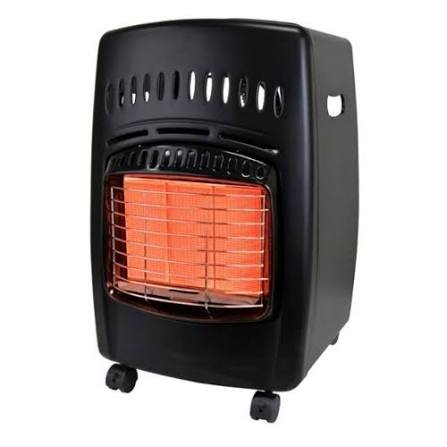
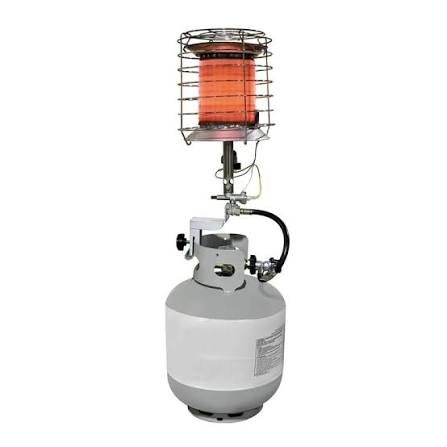
Dyna-Glo Cabinet Heater – Efficient Radiant Warmth for Any Space
Our cabinet heater combines radiant warmth with clean, efficient operation for spaces up to 700 square feet. The wall-mountable steel cabinet houses a ceramic radiant burner that delivers 18,000 to 30,000 BTU of adjustable heat without electricity.
Perfect for workshops, garages, warehouses, and off-grid cabins, this natural gas or propane heater includes an integrated thermostat and oxygen depletion sensor for safe, hands-free operation. The radiant design warms people and objects directly, so you feel comfortable faster than with forced-air alternatives.
- 18,000–30,000 BTU adjustable heat output for spaces up to 700 sq ft
- Radiant ceramic burner with steel cabinet construction
- Wall-mountable design saves floor space and directs heat where needed
- Integrated thermostat maintains consistent temperature automatically
- Oxygen depletion sensor (ODS) shuts off unit if air quality drops
How radiant cabinet heating works
Unlike forced-air units that warm the air around you, the Dyna-Glo cabinet heater uses radiant ceramic burners to emit infrared heat waves. These waves travel directly to people, tools, and surfaces in their path—just like standing in sunlight on a cool day.
The result is faster comfort with less wasted energy heating empty air near the ceiling. You’ll notice warmth within minutes of startup, and the thermostat maintains your set temperature without constant cycling. The steel cabinet directs heat forward and protects the burner, while the wall-mount option keeps the unit out of the way in tight workspaces.
Fuel options and efficiency
This cabinet heater ships configured for natural gas and includes a propane conversion kit in the box. Both fuels deliver the same 99.9% combustion efficiency, meaning nearly all the energy in your fuel becomes usable heat.
Switching between fuels
The conversion process takes about 15 minutes with basic hand tools. You’ll swap the included orifice and adjust the regulator—full instructions are in the manual. Once converted, the unit performs identically on propane, making it ideal for locations without natural gas service or for portable heating in remote job sites.
Safety features and ventilation
Every Dyna-Glo cabinet heater includes an oxygen depletion sensor that monitors air quality in real time. If oxygen levels drop below safe thresholds, the ODS automatically shuts off gas flow and extinguishes the flame.
The unit also features a tip-over safety switch and a flame-failure device that stops fuel delivery if the burner goes out unexpectedly. While the radiant design is cleaner than older unvented heaters, we recommend installing the unit in spaces with adequate ventilation—cracking a window an inch provides sufficient fresh air for most garages and workshops. The instruction manual includes detailed clearance requirements for walls, ceilings, and combustible materials.
More radiant heating solutions from Dyna-Glo


What people are saying

Common questions about the Dyna-Glo cabinet heater
This heater is designed for well-ventilated spaces like garages, workshops, and utility rooms. While it includes an oxygen depletion sensor for safety, we recommend consulting local building codes before installing any vent-free gas heater in living quarters.
Many jurisdictions require direct-vent or chimney-vented appliances for bedrooms and common areas. If you need indoor heating for residential spaces, consider our direct-vent wall heater models that exhaust combustion byproducts outdoors.
At maximum output (30,000 BTU), the heater consumes approximately 0.29 gallons of propane per hour. At the minimum setting (18,000 BTU), usage drops to about 0.17 gallons per hour.
A standard 20-pound propane cylinder holds roughly 4.7 gallons, so you can expect 16–27 hours of runtime per tank depending on your thermostat setting and how often the unit cycles. Larger bulk tanks extend runtime significantly for seasonal or off-grid use.
No, this heater operates entirely without electricity. The piezo ignition uses a mechanical spark to light the burner, and the thermostat is a mechanical gas valve—no batteries or AC power needed.
This makes the cabinet heater ideal for emergency heating during power outages or for remote locations without electrical service. Just ensure you have adequate ventilation and follow all clearance guidelines in the manual.
Radiant heaters like this cabinet model emit infrared waves that warm objects and people directly, similar to sunlight. You feel heat quickly and the warmth stays focused in the direction the heater faces.
Blue flame heaters warm the air itself through convection, which then circulates to heat the entire room more evenly. Radiant models are better for spot heating and drafty spaces, while blue flame units work well in insulated rooms where even air temperature matters.
Yes, but the wall must be interior-rated for the clearances specified in the manual. The heater requires at least 6 inches of clearance to combustible surfaces and should not be installed directly against an uninsulated exterior wall in freezing climates.
Condensation and extreme cold can affect the thermostat calibration and burner performance. If mounting near an exterior wall, ensure adequate insulation behind the unit and maintain all specified clearances.
The Dyna-Glo cabinet heater is rated for spaces up to 700 square feet with standard 8-foot ceilings. For safe operation, the room should have at least one source of fresh air—an openable window, door, or ventilation duct.
The oxygen depletion sensor will shut the unit off if air quality drops, but proper ventilation prevents this from happening in the first place. Calculate your room volume (length × width × height) and compare it to the minimum ventilation guidelines in the owner’s manual.
At the start of each heating season, vacuum the cabinet interior and burner surface to remove dust and debris. Inspect the ceramic burner for cracks or damage, and check all gas connections for leaks using soapy water.
Once a year, verify the thermostat calibration and clean or replace the ODS sensor if it shows signs of buildup. All user-replaceable parts are available through our service catalog, and the manual includes step-by-step instructions for common repairs.