




Dyna-Glo Electric Garage Heater
We built this electric garage heater to deliver instant, adjustable warmth in workshops, garages, and other large workspaces where forced-air heat isn't practical. The ceiling-mount design keeps floor space clear while directing heat exactly where you need it.
With a built-in adjustable thermostat and heavy-duty steel housing, our Dyna-Glo garage heater cycles on and off automatically to maintain your target temperature without constant manual adjustments. The 240V hardwired connection eliminates extension cords and ensures consistent power delivery even during extended cold snaps.
Whether you're wrenching on a project car or running power tools on winter mornings, this heater brings your workspace up to a comfortable working temperature in minutes—not hours.
- 240V hardwired electric operation — no propane tanks or venting required
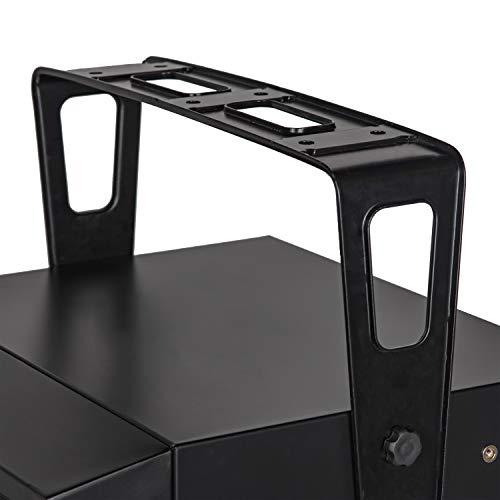
- Ceiling-mount bracket included for permanent installation; keeps floor clear
- Adjustable thermostat maintains set temperature automatically
- Heavy-duty steel housing withstands workshop dust and impact
- Fan-forced heat distribution reaches every corner of a two-car garage
Installation & electrical requirements
This heater requires a dedicated 240-volt circuit and hardwired connection—the kind you’d typically find in a laundry room or workshop. We include the ceiling-mount bracket and all necessary hardware, but we strongly recommend hiring a licensed electrician for the wiring hookup. Most installations take about two hours once the circuit is confirmed.
The mounting bracket supports the full weight of the unit and allows you to angle the louvers downward or side-to-side. We’ve designed the bracket to fit standard ceiling joists spaced 16 or 24 inches apart. Mount it at least seven feet above the floor and at least three feet from any combustible materials like lumber racks or cardboard storage.
Coverage area & heat output
Our electric garage heater is rated for spaces up to 600 square feet—roughly a two-car garage with standard eight-foot ceilings. In a well-insulated garage you’ll feel warmth within five to ten minutes of startup; uninsulated spaces take a bit longer but still outperform portable plug-in models.
The thermostat dial lets you set a target temperature between 45°F and 85°F. Once the space reaches that threshold the fan shuts off; when the temperature drops a few degrees the unit kicks back on automatically. This cycling behavior saves energy compared to leaving a heater running at full blast all day.
Operating & maintenance tips
Before each heating season, vacuum the intake grille and louvers to remove accumulated dust and cobwebs. A clean grille ensures maximum airflow and prevents the overheat sensor from tripping unnecessarily.
If you’re heating an especially dusty workshop—metal fabrication, woodworking with a table saw—plan to clean the grille monthly during heavy use. We also recommend checking the mounting bolts twice a year; vibration from overhead door operation can loosen hardware over time.
More electric and fuel heaters from Dyna-Glo


What people are saying

Common questions about the Dyna-Glo electric garage heater
No, this model requires a hardwired 240-volt connection on a dedicated circuit breaker. It does not use a plug. You'll need an electrician to run the appropriate wire from your breaker panel to the heater location and connect it directly to the unit's terminal block. Standard 120-volt household outlets cannot power this heater.
In a moderately insulated two-car garage you'll notice a temperature rise within five minutes and reach a comfortable working temperature—around 60 to 65 degrees—in fifteen to twenty minutes when starting from freezing outdoor temps. Uninsulated garages or those with poor weatherstripping take longer, but the fan-forced design still outperforms radiant-only models.
Yes, the internal fan produces a steady hum similar to a bathroom exhaust fan—audible but not intrusive. Most users find it fades into the background once you're focused on a project. The thermostat click when the unit cycles on or off is quieter than a refrigerator compressor.
The built-in overheat sensor automatically shuts the unit down if internal temperature exceeds safe limits. Since this is a ceiling-mount model it cannot tip over like a portable heater. If the sensor does trip—usually due to a blocked grille or excessive dust—the heater will not restart until it cools and you clear the obstruction.
The heater is designed for unattended operation with its automatic thermostat and overheat protection. Many users leave it set to maintain a minimum temperature during cold snaps to prevent freezing pipes or protect stored paint. We still recommend keeping the area around the heater clear and ensuring smoke detectors are functioning.
Yes, but expect longer warm-up times and more frequent cycling. The heater will work harder to maintain temperature in an uninsulated space, which increases electricity usage. Adding weatherstripping to your overhead door and sealing gaps around windows makes a noticeable difference in performance and operating cost.
Turn off power at the breaker, then vacuum the intake grille and louvers with a brush attachment. For stubborn dust use a damp cloth on the exterior housing only—never spray water or cleaner directly into the unit. Once clean, restore power and test the thermostat dial to confirm smooth operation before the next heating season.