
Dyna-Glo Vertical Smoker vs Electric Smoker: Which Fits Your Backyard?
If you’re setting up a backyard smoking station, the vertical vs electric smoker decision shapes everything from fuel cost to flavor intensity. Both formats deliver low-and-slow cooking, but they rely on fundamentally different heat sources and demand different levels of involvement.
We build both types at Dyna-Glo, so we see where each design excels and where it asks for compromise. This guide walks through heat mechanics, smoke character, day-to-day operation, and the backyard conditions that favor one format over the other.
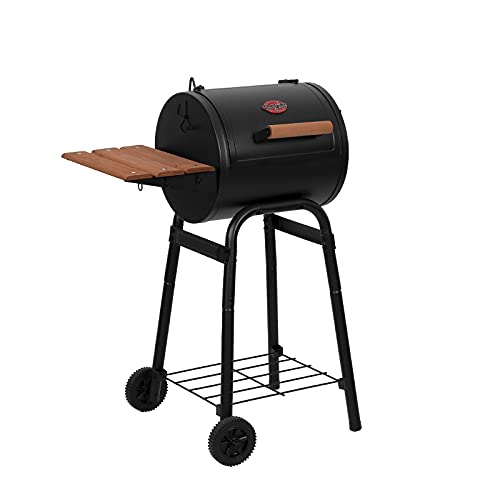
Heat Source and Fuel: Charcoal Fire vs Heating Element
A vertical charcoal smoker burns lump charcoal or briquettes in a lower firebox, with heat and smoke rising through the cooking chamber by natural convection. You control temperature by adjusting intake and exhaust dampers, adding fuel every few hours during long cooks.
An electric smoker uses a plug-in heating element paired with a wood-chip tray. The element cycles on and off to hold a set temperature; you add chips for smoke flavor but the heat itself comes from household current. No lighter fluid, no ash cleanup, no mid-cook refueling.
Fuel cost per session favors charcoal if you already stock bags for grilling, but electricity is cheaper per BTU in most regions. The real split is hands-on fire management versus set-it-and-forget-it convenience.
Smoke Flavor Profile and Intensity
Charcoal combustion generates its own smoke baseline before you add hardwood chunks, delivering a deeper, more assertive smoke ring and bark on brisket and ribs. Because the fire runs hotter at the source, you get more pronounced Maillard browning on exterior surfaces.
Electric models produce smoke only from the dedicated wood-chip pan. The lower combustion temperature — chips smolder rather than burn — yields a milder, cleaner smoke character. That subtlety suits fish, poultry, and cheese; it can read as underwhelming on thick beef cuts if you’re chasing competition-level bark.
Neither format is objectively better. If you want a campfire-adjacent flavor and don’t mind tending the fire, charcoal delivers. If you prefer gentle smoke that doesn’t overpower delicate proteins, electric wins. Our Signature Series vertical charcoal smoker and our electric smoker with precision temperature control represent both ends of that spectrum.
Temperature Stability and Cook Monitoring
Holding Target Temperature
Charcoal smokers require damper adjustments and occasional fuel additions to maintain 225–250°F over eight-hour cooks. Outside wind, rain, and ambient temperature all affect burn rate. Experienced pitmasters dial it in by feel; beginners often see 20–30° swings until they learn their smoker’s airflow personality.
Electric units hold ±5° once the thermostat settles, regardless of weather. The trade-off is a ceiling around 275°F on most consumer models — enough for pulled pork and ribs, limiting for high-heat applications like crispy chicken skin.
Overnight and Unattended Sessions
Electric smokers let you start a brisket at midnight, go to bed, and wake up to a finished cook. Charcoal demands either a 3 a.m. fuel check or a large enough firebox to coast through the night on a single load. If your schedule doesn’t allow mid-cook intervention, that alone settles the format question.

Cleanup, Portability, and Weather Resilience
After a charcoal cook, you vacuum ash from the firebox, scrape the charcoal grate, and wipe grease from water-pan walls. It’s a 15-minute job with a shop vac.
Electric cleanup means emptying the drip tray, wiping the chip box, and washing racks — no ash, no soot on your hands. The heating element itself never needs maintenance beyond an occasional damp-cloth wipe.
Portability
Charcoal vertical smokers are self-contained; no outlet required. You can set one up at a campsite, tailgate lot, or cabin. Electric models need 110V power, limiting you to patios and driveways within extension-cord reach.
Cold and Wet Conditions
Charcoal fires struggle below 40°F unless you add extra fuel to offset heat loss through the cabinet. Rain doesn’t kill the fire but it cools the exterior, forcing the firebox to work harder. Electric elements maintain set temperature in any weather as long as the cabinet itself is protected from direct water ingress. For year-round backyard use in northern climates, electric’s insulation from outside air gives it an edge. Readers comparing cabinet formats alongside fuel type will find our vertical vs offset smoker guide addresses layout trade-offs that apply regardless of heat source.

Skill Curve, Learning Investment, and Long-Term Satisfaction
Electric smokers flatten the learning curve. First-time users produce edible results on cook one because temperature control is automated. The risk is plateauing early — once you’ve mastered chip selection and protein prep, there’s little left to optimize.
Charcoal smoking is a practiced skill. Your tenth brisket will outperform your first because you’ve learned damper rhythm, coal bed arrangement, and how your specific smoker responds to wind. That progression keeps experienced cooks engaged; it frustrates beginners who wanted a simple weekend meal.
If smoking is a hobby you plan to deepen over years, charcoal offers more variables to refine. If it’s one tool among many in a busy household, electric removes friction and keeps the process enjoyable instead of stressful. Cast iron grates and other heavy-duty cookware pair well with either format for reverse-sear finishing after the smoke phase, giving you flexibility in how you build out the rest of your outdoor cooking setup.
Matching Smoker Type to Your Actual Backyard Routine
The vertical vs electric smoker question resolves once you map heat source and involvement level against your real cooking schedule and flavor priorities. Charcoal rewards time investment with deeper smoke character and the satisfaction of fire management. Electric trades that intensity for weather-proof consistency and the ability to start a cook and walk away.
Neither format locks you into a single outcome. We’ve seen competition teams run electric smokers with probe thermometers and custom chip blends, and backyard cooks pull restaurant-quality brisket from basic charcoal cabinets. The smoker type sets the baseline; your technique and ingredient quality determine the ceiling. Pick the format that removes the friction points YOU find most annoying, and you’ll use it often enough to get genuinely good at it.
Common Questions About Vertical and Electric Smokers
Smoke rings form when nitric oxide from combustion reacts with myoglobin in raw meat. Electric smokers generate minimal combustion gases because the wood chips smolder at lower temperatures.
You’ll see a faint pink line, but not the deep red band charcoal produces. The smoke ring is cosmetic; it doesn’t affect flavor. If appearance matters for competition or presentation, charcoal has the advantage.
Soaking delays ignition and creates steam rather than smoke in the first 20 minutes. Most pitmasters now skip soaking and use dry chips, replacing them every 45–60 minutes for sustained smoke output.
If your electric model’s chip tray sits directly on the heating element, dry chips catch faster and burn cleaner. Wet chips can also rust the tray over time.
A typical 1500-watt electric smoker cycling at 50 percent duty cycle uses about 7.5 kWh over 10 hours. At the U.S. average of 16 cents per kWh, that’s roughly 1.20 dollars in electricity.
Charcoal cost for the same cook runs 8–12 dollars depending on briquette brand and how much you use for temperature spikes. Over a season of weekly smoking, electric’s lower operating cost adds up.
Vertical smokers are designed for indirect low-temperature cooking. The firebox sits below the cooking grates with a water pan or heat deflector in between, so direct high-heat grilling isn’t practical.
If you want one unit that both smokes and sears, a kettle grill with a smoker attachment or an offset smoker with grate height adjustment offers more flexibility. Vertical smokers excel at one job; they’re not hybrid tools.
Electric smokers with external cold-smoke generators or tube smokers work best because you can produce smoke without raising internal temperature above 90°F. Charcoal fires generate too much radiant heat even with dampers fully closed.
If cold-smoking is a priority, look for an electric model with a separate smoke-generator input or plan to add a pellet tube accessory. Charcoal verticals require workarounds like ice pans and are less reliable for the sub-100°F zone.
No. An electric smoker is inoperable without mains power or a generator. If you live in an area with frequent outages or want true off-grid capability, a charcoal vertical smoker is the only reliable choice.
Some users keep a small inverter generator as backup, but that adds cost and complexity. For emergency preparedness or remote-location cooking, fuel-burning designs are the practical default.