


Dyna-Glo Natural Gas Heater
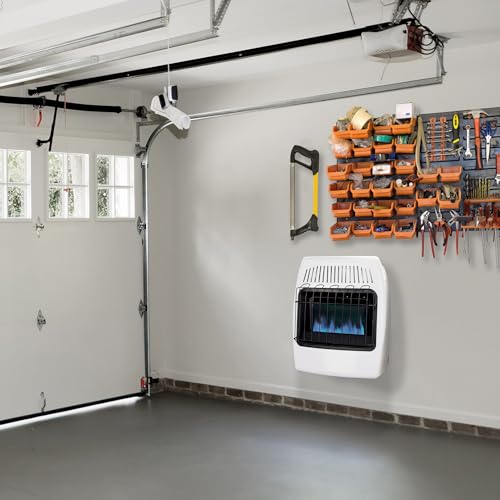
Our natural gas heater line delivers consistent warmth for living spaces, workshops, and garages without the hassle of propane tank exchanges. Available in heat outputs from 10,000 to 30,000 BTU, these wall-mounted or free-standing units connect directly to your home's natural gas line for continuous operation.
Each model features oxygen depletion sensors and tip-over safety shut-off protection, meeting strict residential safety standards. Manual thermostat controls let you dial in your preferred temperature, while piezo ignition systems ensure reliable starts every time. The infrared radiant heat technology warms people and objects directly rather than circulating air, making these heaters ideal for drafty spaces or partially enclosed areas.
We engineer our natural gas models with durable steel cabinet construction and porcelain-coated radiant panels that resist corrosion and maintain heat distribution efficiency season after season. Vent-free operation means no chimney or flue installation required, though proper room ventilation is essential for safe use.
- Heat output options: 10,000 BTU, 18,000 BTU, and 30,000 BTU models
- Direct natural gas line connection for continuous operation
- Oxygen depletion sensor (ODS) with automatic safety shut-off
- Infrared radiant heat panel with porcelain coating
- Manual thermostat control with temperature range settings
Natural gas vs propane: fuel considerations
Natural gas heaters connect permanently to your home’s gas supply line, eliminating the need to monitor tank levels or schedule refills. This makes them particularly convenient for whole-season heating in workshops, three-season rooms, or primary living spaces where you want uninterrupted warmth.
The steady fuel supply means you can run the heater continuously during cold snaps without worrying about running out mid-cycle. Natural gas also typically costs less per BTU than propane in most regions, though installation requires professional hookup to ensure proper pressure regulation and leak-free connections. If your property doesn’t have natural gas service, a propane heater offers similar heat output with portable tank flexibility.
BTU sizing for your space
Choosing the right BTU output ensures efficient heating without wasting fuel. Our 10,000 BTU model suits rooms up to 300 square feet—think home offices, bathrooms, or small bedrooms. The 18,000 BTU mid-range unit handles spaces up to 600 square feet, covering most living rooms or two-car garages.
For larger workshops, great rooms, or open-plan areas up to 1,000 square feet, the 30,000 BTU model provides the heat you need. These ratings assume standard 8-foot ceilings and moderate insulation. Poorly insulated spaces or rooms with high ceilings may require stepping up one size. Oversizing wastes gas and cycles the heater on and off too frequently, while undersizing leaves you chilly on the coldest days.
Installation and ventilation requirements
Professional gas line hookup
All Dyna-Glo natural gas heaters require a licensed plumber or gas technician to connect the unit to your existing gas line. The installer will verify proper pressure (typically 7 inches water column for natural gas), test for leaks, and ensure the shutoff valve is accessible. Wall-mounted models need secure anchoring into studs, while free-standing units must sit on level, non-combustible surfaces.
Room ventilation and clearances
Vent-free operation demands adequate fresh air exchange. We recommend a minimum room volume of 100 cubic feet per 1,000 BTU of heater output. A 300-square-foot room with 8-foot ceilings provides 2,400 cubic feet, suitable for our 18,000 BTU model with margin to spare. Maintain 6 inches clearance from side walls, 18 inches from furniture or curtains, and never operate in bathrooms or bedrooms without a cracked window.
More efficient heating options from Dyna-Glo


What people are saying
Natural gas heater questions answered
Gas line connection must be performed by a licensed plumber or gas technician to ensure proper pressure regulation, leak-free fittings, and code compliance. Wall mounting or positioning the heater itself can be DIY, but never attempt to connect gas lines without proper certification. Most municipalities require permits and inspections for gas appliance installations.
Once professionally connected, the heater's controls and operation are straightforward for homeowner use.
Our natural gas heaters use piezo ignition systems that require no external power—just push the ignition button to light the burner. The thermostat and safety sensors are mechanically operated, so the heater functions during power outages as long as your natural gas service remains active.
This makes them excellent backup heat sources when winter storms knock out electricity but leave gas lines operational.
Calculate your room's square footage and match it to our output ratings: 10,000 BTU heats up to 300 sq ft, 18,000 BTU covers up to 600 sq ft, and 30,000 BTU handles up to 1,000 sq ft. These assume 8-foot ceilings and average insulation.
For poorly insulated spaces, rooms with cathedral ceilings, or areas with large windows, step up one size. Undersizing leaves you cold on frigid days, while oversizing wastes fuel and causes frequent on-off cycling.
Yes, when used according to manufacturer guidelines and local codes. The oxygen depletion sensor shuts off gas flow if room oxygen drops below safe levels, preventing carbon monoxide accumulation. You must provide adequate room volume—at least 100 cubic feet per 1,000 BTU of heater output—and ensure fresh air circulation.
Never operate in bedrooms or bathrooms without a cracked window. Some states restrict or prohibit vent-free heaters, so check local regulations before purchasing.
Radiant heat from our infrared panels warms people and objects directly, like standing in sunlight. You feel warm almost immediately without waiting for room air to heat up. This works especially well in drafty spaces or partially open areas like garages.
Forced air heaters blow hot air to circulate warmth throughout a room, which can stir up dust and takes longer to feel comfortable but may heat enclosed spaces more evenly.
Inspect the burner and radiant panels at the start of each heating season for dust buildup or debris. Wipe surfaces with a dry cloth and vacuum the burner ports gently. Check that the oxygen depletion sensor is clean and unobstructed.
Schedule professional service every 2-3 years to verify gas pressure, test safety sensors, and inspect internal components. If you notice yellow flames instead of blue, delayed ignition, or unusual odors, shut off the gas and call a technician immediately.
Our heaters are designed and certified for the fuel type specified on the label. Natural gas and propane burn at different pressures and require specific orifices and regulators. Converting between fuels voids the warranty and violates safety certifications.
If you need propane operation, purchase a model engineered for propane from the start to ensure safe, compliant performance.