
Dyna-Glo Charcoal vs Gas Grill: Which Outdoor Cooking System Wins?
The charcoal vs gas grill debate isn’t new, but it matters more when you’re investing in a cooking system that will anchor summer weekends for years. We build both types at Dyna-Glo, and the choice comes down to how you actually cook — not which fuel sounds more authentic.
Charcoal delivers smoky flavor and searing heat that gas can’t quite match, while gas offers push-button convenience and precise temperature control. Neither is objectively better; each excels at different tasks. This guide walks through heat dynamics, flavor chemistry, maintenance realities, and cost so you can decide which system fits your backyard routine.
Heat Control and Temperature Range
Gas grills give you dial-in precision. Turn a knob, and burners respond within seconds — critical when you’re searing steaks at 500°F then dropping to 300°F for indirect roasting. Multi-burner models let you create distinct heat zones without waiting.
Charcoal takes longer to stabilize but reaches higher peak temps. Lump charcoal can hit 700°F+ for restaurant-quality sear marks, and you control heat by adjusting vent dampers and coal arrangement. The tradeoff is a 15-20 minute preheat and less granular control once the fire’s going. If you’re cooking low-and-slow brisket or need a rolling boil for a wok, charcoal’s high-end ceiling wins. For everyday burgers and precise multi-zone roasting, gas delivers more flexibility.
Flavor Profile Differences
Charcoal imparts a distinct smokiness from combustion byproducts and dripping fat vaporizing on hot coals. That’s the flavor people associate with traditional barbecue — it’s real, not placebo.
Gas burns cleaner, so the meat’s natural flavor comes through without smoke overlay. You can add wood chips in a smoker box, but it won’t replicate a full charcoal bed. Gas is better when you want the protein’s own taste front and center — grilled fish, delicate vegetables, or marinated chicken where you’ve already built flavor into the prep. Charcoal shines when you want that campfire char and don’t mind smoke becoming part of the dish.
Cleanup and Maintenance Realities
Gas grills require scraping grates and emptying grease trays after each session, plus occasional burner inspection and propane tank swaps. The work is routine but quick — ten minutes tops.
Charcoal means ash disposal after every cook, and you’ll scrub more carbon buildup from grates over time. Ash cleanup isn’t hard if the grill has a removable pan, but it’s an extra step gas users skip entirely. Long-term, both systems need grate replacement and occasional part swaps; charcoal just adds the ash variable. If you grill twice a week, that extra five minutes per session adds up. If you grill monthly, it’s negligible.

Fuel Cost and Availability
A 20-pound propane tank costs $15-25 and powers 18-25 hours of cooking depending on burner count and heat settings. Refills are available at every hardware store and many gas stations.
Charcoal runs $15-30 for a 20-pound bag that yields 8-12 cooks, depending on coal type and how hot you run the fire. Lump charcoal costs more than briquettes but burns hotter and leaves less ash. Per-cook, charcoal edges higher in cost, but neither fuel breaks budgets if you’re grilling recreationally. For reference, models like our 6-burner gas grill run on standard 20-pound tanks with no proprietary hookups, keeping refill logistics simple.

Portability and Setup
Gas grills often weigh more due to burner assemblies and side shelves, and you’re tethered to a propane tank. Moving them across a deck is manageable; hauling one to a campsite less so.
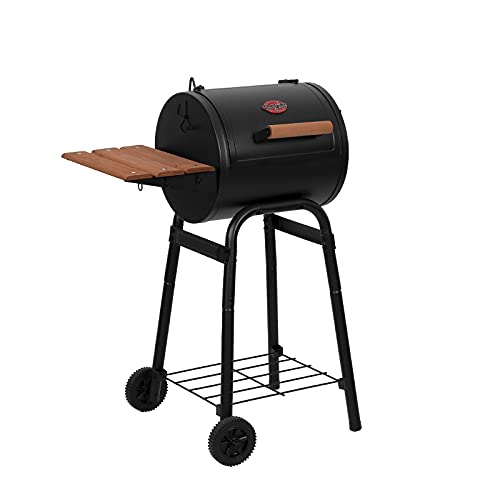
Charcoal grills range from lightweight kettle models you can toss in a truck bed to heavy barrel units that stay put. For tailgating or remote cooking, charcoal’s simpler fuel supply (a bag of briquettes) beats lugging a propane cylinder. Setup is faster with gas — hook up the tank, turn the knobs — while charcoal requires lighting and waiting for coals to ash over. If your cooking spot changes often, charcoal’s simplicity wins. For a permanent patio station, gas offers more features without the portability concern.
Choosing Your Dyna-Glo Outdoor Cooking System
The charcoal vs gas grill decision hinges on how you cook, not abstract principles. If you value speed, temperature precision, and minimal cleanup — and you’re grilling weeknight dinners or hosting spontaneous gatherings — gas delivers reliable performance without the ritual. If you enjoy the process, want maximum searing heat, and prioritize smoky flavor over convenience, charcoal rewards the extra effort.
Neither choice locks you out of great food. We’ve watched both fuel types produce competition-grade results in the right hands. Visit your backyard, think about your actual cooking patterns, and pick the system that matches your rhythm rather than an ideal you won’t sustain.
Common Questions About Charcoal and Gas Grilling
Charcoal produces smoke and combustion flavors that many people prefer for red meat and barbecue. Gas burns cleaner, letting the food’s natural flavor dominate. It’s preference, not objective superiority — charcoal adds a flavor layer, gas doesn’t mask it.
Gas grills sear well at 500-550°F, which handles steaks and chops effectively. Charcoal can exceed 700°F for a harder crust in less time. Both produce quality sear marks; charcoal just reaches higher temps if that’s your priority.
Charcoal requires understanding airflow, coal arrangement, and timing — it’s more hands-on. Gas is more intuitive with instant heat adjustment. Neither is difficult, but gas has a shorter learning curve for beginners.
A 20-pound propane tank powers roughly 18-25 hours of cooking. A 20-pound bag of charcoal typically covers 8-12 sessions depending on fire size and cook time. Propane stretches further per dollar in most cases.
Yes, using a smoker box or foil pouch with soaked wood chips adds smoke to gas grilling. It won’t replicate a full charcoal bed’s intensity, but it’s enough for ribs, chicken, or vegetables where you want a hint of smoke.
Gas grills are easier to start with due to instant ignition and precise heat control. Charcoal rewards patience and teaches fire management, but the margin for error is wider. If you want to cook well immediately, start with gas.